Picking the right Electronic Insulation Film can really make a difference when it comes to how well your electronic devices work. Dr. Emily Carter, a top expert in materials science at ElectraTech Solutions, points out, "Choosing the right insulation film is pretty much key to making sure your device runs smoothly." Honestly, that pretty much sums up why making the right choice is so important.
Electronic Insulation Films play a huge role in preventing electrical leaks and helping devices last longer. But with so many options out there, it can feel pretty daunting trying to figure out what’s best. Not all films are created equal — they vary in insulation quality, thickness, and how well they handle heat. For instance, choosing between polyester and polyimide films can really change how your device performs.
Plus, the industry moves fast, which adds to the confusion. Manufacturers often boast about their products with big claims, making it tricky to tell what’s real and what’s just hype. It’s super important to closely check specs, performance tests, and real-world uses. In the end, you’ve got to ask yourself what actually fits your needs — because picking the wrong one could mean higher costs down the line or less reliable devices.
Understanding Electronic Insulation Films and Their Applications
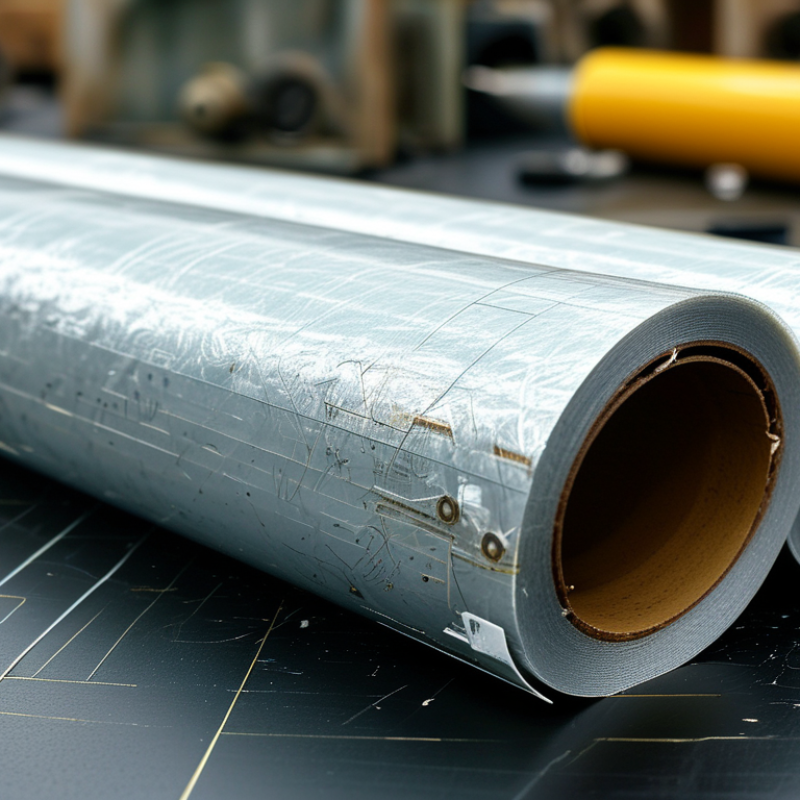
Electronic insulation films are vital in various applications. They provide protection against electrical surges, moisture, and mechanical stress. Understanding the types and characteristics of these films is crucial for selecting the right one. For instance, polyimide films are known for their thermal stability and are widely used in the aerospace sector. According to a recent market report, the global electronic insulation film market is projected to reach $5 billion by 2026, highlighting its growing significance.
Choosing the right electronic insulation film involves assessing specific application requirements. Films vary in thickness, dielectric strength, and thermal conductivity. For example, in consumer electronics, thinner films with high dielectric strength are often preferred. A study in the Journal of Materials Science indicated that films with a dielectric constant of less than 3.0 are ideal for high-frequency applications. Yet, many industries still grapple with the nuances of selecting the appropriate film. It is essential to match the film's properties to the operating environment.
Investing in OEM Electronic Insulation Film can yield better performance and increased reliability. However, the market is filled with options, which can overwhelm decision-makers. Manufacturers often provide extensive technical data, but interpreting this information requires expertise. Hence, collaboration with material scientists can help bridge the gap. The continuous evolution of electronic applications poses challenges in keeping up with technology. Proper research and understanding are crucial for effective application of electronic insulation films.
Key Properties to Consider When Choosing Insulation Films
When selecting electronic insulation films, understanding key properties is essential. Dielectric strength is a primary factor. It measures how well a material can withstand electric fields without conducting. According to industry reports, materials with higher dielectric strength minimize energy loss. This leads to improved efficiency in electronic devices. Insulation films with a dielectric strength of 1000V/mil or higher are generally preferred for high-voltage applications.
Thermal stability should also be considered. A material's ability to resist heat provides reliability in various environments. Thermal degradation can lead to failure in electronics. The best insulation films often maintain their properties up to 200°C. Tests show that materials maintaining integrity at higher temperatures extend the life of devices significantly. This is particularly important in automotive and aerospace applications.
Moreover, consider mechanical properties. The tensile strength and flexibility of insulation films can affect their performance. Stronger materials withstand stress better but may lead to rigidity issues. A balance must be struck between flexibility and strength. Some reports indicate a growing trend of using composite materials that offer better mechanical performance without sacrificing electrical insulation. Understanding these properties will aid in making informed decisions for your specific needs.
Types of Electronic Insulation Films Available on the Market
When selecting electronic insulation films, it's crucial to understand the types available in the market. Polyimide films are popular for their high thermal resistance and chemical stability. Industry reports suggest that these films can withstand temperatures up to 300°C, making them ideal for applications in aerospace and automotive sectors. However, while their performance is robust, they can be less flexible compared to other types.
Mylar films, another option, offer great electrical insulation and moisture resistance. These films are thinner and often used in consumer electronics. Their ability to provide a barrier against environmental factors makes them reliable for everyday devices. A 2022 market analysis highlighted that the demand for Mylar films is projected to grow by 6% annually. However, relying solely on moisture resistance may overlook potential chemical reactions in certain environments.
Fluoropolymer films, like PTFE, exhibit exceptional resistance to chemicals and extreme temperatures. They're excellent for applications that demand longevity and durability. A recent study showed that these films outperform other materials under harsh conditions. However, their cost is a significant consideration. Users need to weigh the benefits against the investment.
Evaluating Thermal and Electrical Performance Requirements
When selecting an electronic insulation film, thermal and electrical performance is crucial. Understanding these parameters can significantly impact the efficiency and safety of electronic devices. Reports suggest that insulation materials must withstand higher temperatures as electronic components become denser. For instance, films with a thermal conductivity rating under 0.15 W/mK are commonly used in high-performance applications. This ensures that devices operate effectively without overheating.
Electrical performance is equally important. Insulation films need high dielectric strength to prevent current leakage and ensure longevity. Data indicates that materials with dielectric strength above 10 kV/mm are preferred for most applications. This performance metric is vital to avoid potential failures in critical electronics. The right selection of ODM Electronic Insulation Film can offer improved reliability.
Choosing the proper film also involves assessing environmental factors, such as humidity and temperature fluctuations. These elements can affect the insulation's long-term performance. In practice, many professionals overlook these conditions, leading to unforeseen issues. Evaluating both thermal and electrical requirements in relation to your specific application can guide you in making a more informed decision.
Assessing Durability and Environmental Resistance Features
When selecting an electronic insulation film, durability and environmental resistance are critical factors. These features ensure that the film can withstand various conditions. High temperatures, humidity, and exposure to chemicals may degrade lesser materials. It's vital to choose films specifically engineered for these challenges.
Certain films excel in thermal stability. For example, polyimide films show remarkable heat resistance. They are often found in applications that involve extreme temperatures. On the other hand, films that resist moisture and chemicals are essential in humid environments. They help prevent degradation that can lead to failures. Evaluating the material’s resistance to these factors should be a priority.
Consider the application environment carefully. Does it face constant thermal cycles? Is there exposure to solvents? Such questions guide you toward the right choice. Testing films under real conditions can reveal strengths and weaknesses. You might find that, while some films promise durability, they may fall short in certain aspects. Reflection on these points can lead to a more informed decision.
Cost Considerations and Budget Planning for Insulation Films
When budgeting for electronic insulation films, it's crucial to assess the specific requirements of your project. The cost can vary significantly based on the type of film and its specifications. Quality films may come at a higher price, but they can save money in the long run by preventing failures. Consider the thickness, dielectric strength, and temperature resistance needed for your application.
Researching the market is essential. Prices might differ among suppliers. Some vendors may offer bulk purchase options, reducing overall costs. Choosing Wholesale Electronic Insulation Film can provide you with significant savings. However, don't overlook the importance of quality. Cheaper options might lead to higher maintenance costs or premature failure.
Investing time in comparing various insulation films is worthwhile. This step can help you identify the best product within your budget. Keep in mind that the lowest price isn’t always the best choice. Sometimes, it's beneficial to spend a little more upfront for reliability and longevity. An informed decision today can prevent costly mistakes later on.
How to Choose the Right Electronic Insulation Film for Your Needs? - Cost Considerations and Budget Planning for Insulation Films
| Film Type |
Thickness (mm) |
Dielectric Strength (kV/mm) |
Thermal Conductivity (W/m·K) |
Price per Square Meter ($) |
Applications |
| Polyimide Film |
0.025 |
30 |
0.12 |
10 |
Flexible electronics |
| PET Film |
0.05 |
25 |
0.15 |
7 |
Insulation and packaging |
| PVC Film |
0.15 |
20 |
0.19 |
4 |
Wiring insulation |
| PTFE Film |
0.05 |
40 |
0.25 |
15 |
High-temperature applications |
Best Practices for Sourcing and Testing Your Chosen Film
When sourcing electronic insulation films, it’s vital to assess your specific application needs. Different projects require varying properties, such as temperature resistance and dielectric strength. Testing under real-world conditions is essential. Many underestimate the importance of this phase, thinking a basic specification sheet suffices.
Conduct thorough tests with the chosen Electronic Adhesive Tape. Evaluate its performance under stress and exposure to elements like humidity or chemicals. This hands-on approach can reveal weaknesses not apparent in standardized tests. Sometimes, films that seem ideal on paper may not perform as expected in practical use.
Always consider vendor reliability. A good supplier should have experience in the industry, providing transparent data on their products. Look for certifications or endorsements from reputable bodies. These factors enhance reliability and can prevent costly mistakes in selection. Reflecting on these practices can improve your decision-making process significantly.
Innovative Applications of Aerogel Ultra-Thin Heat Insulation Film in Modern Technology and Construction
The innovative applications of aerogel ultra-thin heat insulation film are transforming the landscape of modern technology and construction. This exceptional material boasts an incredibly low thermal conductivity, achieved through a unique manufacturing process that ensures the film remains ultra-thin while maintaining its superior insulative properties. As a result, this flexibility allows designers and engineers to incorporate it into a wide array of products without compromising space or functionality.
In the realm of consumer electronics, for instance, the aerogel film serves as a vital solution to heat distribution challenges typically faced in compact devices. The lightweight and flexible nature of the film helps protect heat-sensitive components, significantly improving their thermal resistance and longevity. Whether in smartphones, laptops, or other portable devices, the application of this cutting-edge insulation film ensures efficient thermal management, ultimately enhancing overall performance and user experience.
Beyond consumer products, the aerogel heat insulation film finds its way into the construction sector, addressing energy efficiency concerns in building design. By incorporating this innovative material into walls, roofs, and windows, architects can create structures that not only save energy but also provide comfortable living environments. The potential for aerogel insulation is vast, inviting a new era of sustainable construction practices that prioritize both efficiency and comfort.
FAQS
: Thermal and electrical performance are crucial for efficiency and safety.
Films with a rating under 0.15 W/mK work well in high-performance applications to avoid overheating.
Dielectric strength above 10 kV/mm helps prevent current leakage and ensures longevity.
Humidity and temperature fluctuations can impact long-term performance if not considered.
Films must resist high temperatures, humidity, and chemical exposure to remain functional.
They offer remarkable heat resistance, suitable for extreme temperature applications.
Real-condition tests reveal weaknesses not shown in basic specifications, leading to better choices.
Trustworthy suppliers provide transparent data and certifications, preventing costly mistakes.
Underestimating the importance of testing under real-world conditions, thinking specifications are enough.
Consider application environments and the testing outcomes to ensure more effective decision-making.
Conclusion
Choosing the right Electronic Insulation Film is crucial for ensuring optimal performance in various electronic applications. Understanding the different types of insulation films available, along with their key properties, is essential for making an informed decision. Factors such as thermal and electrical performance, durability, and environmental resistance should be carefully evaluated to meet specific requirements.
Moreover, it is important to consider cost implications and budget planning when selecting insulation films. Best practices for sourcing include thorough testing of the chosen film to ensure its suitability for the intended application. By integrating these considerations, users can effectively choose an Electronic Insulation Film that aligns with their needs and enhances the reliability of their electronic devices.