Picking the right high temp sealant tape for your projects can really make a difference when it comes to how well your stuff holds up over time. I mean, if you ask industry pro John McAllister—he’s been in the game for over 20 years working with thermal insulation—he’ll tell you that choosing the right tape isn’t just about durability, but also safety, especially in tough environments. Basically, this guide is here to help you understand what to look for—things like how well the tape withstands heat, how sticky it is, and whether it plays nice with your materials.
In today’s fast-changing industrial world, having reliable sealing solutions isn’t just nice to have—it’s pretty much essential. High temp sealant tape is built for those extreme conditions where regular tapes just don’t cut it. Whether you’re in automotive, aerospace, or manufacturing, picking the right tape can prevent annoying leaks, save you energy, and help your projects last longer. So, in this guide, we’ll walk through the different types of high temp sealant tapes out there, making sure you get the info you need to choose the best one for your specific needs and situation.

Understanding High Temp Sealant Tape and Its Applications
High temp sealant tape is an essential material for various projects requiring heat resistance, such as automotive repairs, HVAC installations, and home improvement tasks. It is designed to withstand high temperatures and maintain its integrity, which is crucial for sealing joints and preventing leaks in high-heat environments. Understanding the properties of high temp sealant tape can significantly impact the effectiveness and longevity of your projects. The tape is typically made from materials like silicone or fiberglass, which offer durability and thermal stability.
When using high temp sealant tape in your projects, consider the specific temperature range it can handle. This will ensure that the tape performs effectively without degrading or losing its adhesive properties. Additionally, assess the surface type where the tape will be applied. Clean surfaces enhance adhesion, so it's beneficial to remove grease, dust, and moisture prior to application.
Tips: Always measure the area that requires sealing before cutting the tape to avoid waste. Opt for a tape width that aligns with the joint size for optimal coverage and seal integrity. Lastly, store any leftover tape in a cool, dry place to prolong its shelf life, ensuring it remains ready for future high-temperature applications.
Key Features to Consider When Choosing High Temp Sealant Tape
When selecting high temp sealant tape for your projects, it is crucial to understand the key features that affect performance and suitability. One of the primary considerations is the temperature resistance of the tape. High temp sealant tape typically ranges from 200°F to over 500°F, making it suitable for applications in automotive, aerospace, and industrial settings.
According to a report by the Adhesive and Sealant Council, the demand for high-temperature tapes is projected to grow by 5% annually, driven by advancements in manufacturing and industrial processes which require increasingly reliable materials.
Another important feature to evaluate is the adhesive type used in the tape. Silicone-based adhesives are commonly used for their excellent heat resistance and ability to bond to various surfaces. These adhesives can maintain their integrity under extreme temperatures and harsh conditions.
A study by the Pressure-Sensitive Tape Council highlights that tapes with silicone adhesives exhibit superior aging properties, making them ideal for long-term use in demanding environments. Additionally, consider the tape's thickness and backing material, as these will influence both its durability and application flexibility, ensuring it meets the specific needs of your project.
Types of High Temp Sealant Tapes Available in the Market
When selecting high temperature sealant tapes for your projects, it's essential to understand the various types available in the market.Primarily, high temp Adhesive Tapes can be classified intosilicone, PTFE (Teflon), and fiberglass options. Silicone tapes are popular due to their flexibility and resistance to temperatures up to 500°F (260°C). They are ideal for applications in automotive and aerospace industries where extreme temperature resistance is necessary.
Ptfe Tapes, on the other hand, are nearly non-stick and can withstand temperatures ranging from -450°F to 500°F (-268°C to 260°C). Their chemical resistance makes them suitable for plumbing and chemical applications. In contrast, fiberglass tapes provide exceptional strength and can endure temperatures up to 1000°F (538°C), making them an excellent choice for insulation purposes in high-heat environments, such as exhaust systems.
Tips:
- Always check the temperature rating and specific application of the tape you are considering to ensure it meets the requirements of your project.
- Verify the tape's resistance to chemicals and other environmental factors, which can enhance its longevity and performance in your intended application.
- Consider the ease of installation, as some tapes may come with pre-applied adhesives while others may require additional tools for application.
Factors Influencing the Performance of High Temp Sealant Tape
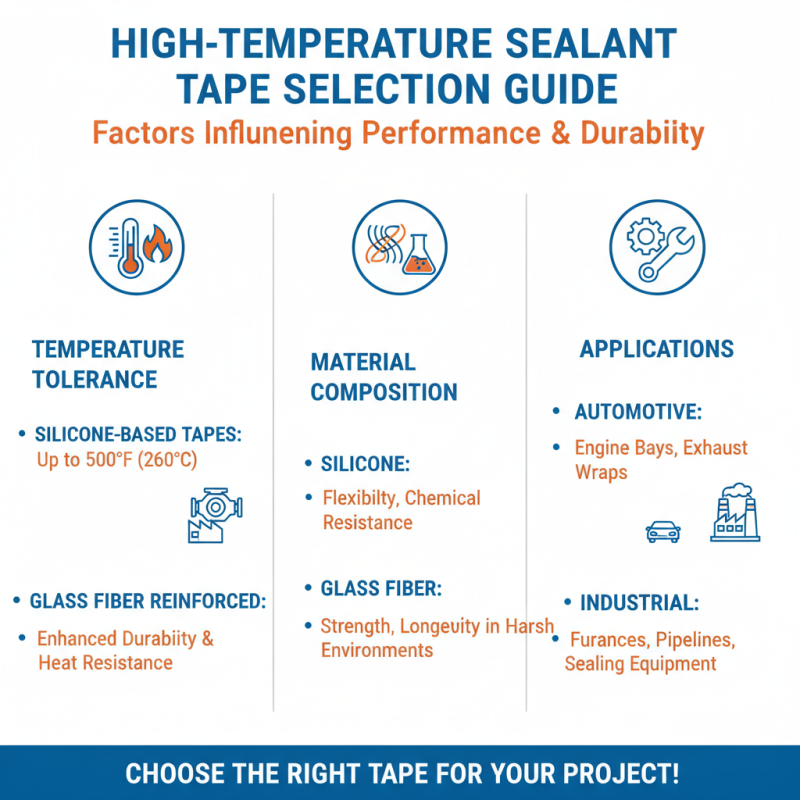
When selecting high-temperature sealant tape for various projects, understanding the factors influencing its performance is crucial. One of the primary considerations is the temperature tolerance of the tape, which can range widely depending on the material composition. For instance, silicone-based tapes typically withstand temperatures up to 500°F, making them suitable for automotive or industrial applications. In comparative studies, it has been reported that tapes with glass fiber reinforcement can offer enhanced durability and thermal resistance, allowing for more extended use in harsh environments.
Another critical factor is the adhesive strength of the tape. The ability to maintain a secure bond at elevated temperatures can significantly influence the longevity and effectiveness of the seal. According to industry data, tapes with high-performance adhesives can maintain over 90% of their initial adhesive strength at temperatures exceeding 300°F. This property is particularly essential in applications where mechanical vibrations or thermal cycling may otherwise compromise the tape's integrity. Furthermore, exposure to environmental factors such as UV light, moisture, and chemicals can also affect the performance of sealant tapes; thus, selecting a tape engineered to resist these influences ensures better reliability in diverse conditions.
Step-by-Step Guide to Properly Applying High Temp Sealant Tape
When applying high temp sealant tape, it's crucial to ensure proper surface preparation for optimal adhesion. Start by cleaning the area where the tape will be applied, removing dust, grease, and any loose particles. A degreaser or a simple soap-and-water mixture can effectively eliminate contaminants. Make sure the surface is completely dry before proceeding, as moisture can hinder the tape's performance. If the surface is porous, consider using a primer to enhance bonding.
Once the area is prepped, it's time to cut the tape to the desired length, ensuring it fits the application perfectly. Apply the tape by placing one end firmly at the starting point and gradually unwinding as you press down on it to avoid air bubbles. For best results, maintain consistent pressure and smooth out any wrinkles as you go along. After application, allow the tape to cure according to the manufacturer's recommendations before exposing it to high temperatures. This patience will ensure the tape bonds effectively, providing a reliable seal for your high-temperature projects.
Common Mistakes to Avoid When Using High Temp Sealant Tape
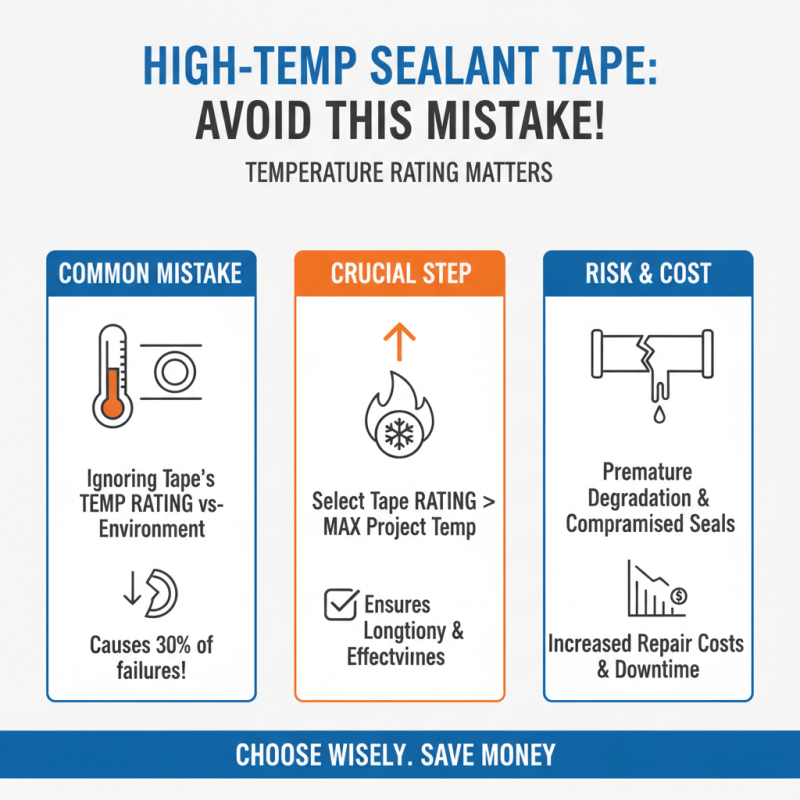
When using high temp sealant tape, one of the most common mistakes is not considering the specific temperature rating of the tape in relation to the application environment. According to industry reports, approximately 30% of installation failures can be traced back to the use of a tape whose temperature threshold is exceeded. It's crucial to select a tape with a rating that exceeds the maximum temperature expected in your project to ensure longevity and effectiveness. Miscalculating the thermal limits can lead to premature degradation and compromised seals, which ultimately translates into increased repair costs and downtime.
Another frequent oversight is neglecting surface preparation before application. Studies have shown that improper surface cleaning can reduce adhesion strength by up to 50%. The effectiveness of high temp sealant tape relies heavily on proper application techniques—this means ensuring that surfaces are clean, dry, and free from contaminants. Failing to adequately prime or clean the area can result in peeling and bubbling, invalidating the tape's intended functionality. Always remember that thorough surface preparation is not just an option; it is an essential step in the sealing process that can make or break the success of your installation.
Maintenance Tips for Longevity of High Temp Sealant Tape Projects
To ensure the longevity of high temp sealant tape projects, it's important to start with proper surface preparation. Before applying the tape, make sure the surfaces are clean, dry, and free of any debris or contaminants. This enhances adhesion and ensures the tape can perform optimally under high temperatures. Additionally, ensure that both surfaces are compatible with the sealant tape to prevent any adverse reactions or failures.
Once applied, regular maintenance checks play a crucial role in prolonging the effectiveness of the high temp sealant tape. Monitor the integrity of the seal over time, especially in areas exposed to heat and moisture. Look for signs of wear or degradation, such as peeling or discoloration, which might indicate that the tape is losing its effectiveness. If any issues are detected, addressing them promptly by reapplying or replacing the tape can prevent further damage and maintain the efficiency of your sealant. Keeping an eye on these indicators will help ensure that your projects remain durable and effective for an extended period.
FAQS
: High temp sealant tape is a material designed to withstand high temperatures, making it suitable for applications like automotive repairs, HVAC installations, and home improvement tasks. It helps seal joints and prevent leaks in high-heat environments.
High temp sealant tape is typically made from durable materials such as silicone or fiberglass, which provide thermal stability and longevity.
Choosing a tape with an appropriate temperature rating is essential to ensure it performs effectively without degrading, as using a tape that can’t handle the specific temperatures can lead to installation failures.
Proper surface preparation is crucial because clean, dry surfaces enhance adhesion. Inadequate cleaning can reduce adhesion strength significantly, leading to issues like peeling and bubble formation.
Common mistakes include ignoring the tape's temperature rating, neglecting surface preparation, and miscalculating the amount of tape needed, which can all result in installation failures and increased repair costs.
Leftover high temp sealant tape should be stored in a cool, dry place to prolong its shelf life and ensure it remains effective for future applications.
Surfaces should be cleaned to remove grease, dust, and moisture to enhance tape adhesion, as contaminants can significantly impair the effectiveness of the seal.
Using a tape with a temperature rating below the maximum expected heat can lead to premature degradation and compromised seals, resulting in increased repair costs and downtime.
Selecting a tape width that aligns with the joint size is important for optimal coverage and seal integrity, helping ensure effective sealing in high-temperature applications.
Conclusion
High Temp Sealant Tape is a specialized tape designed to withstand extreme temperatures, making it essential for various industrial and DIY projects. Understanding its applications is crucial, as it is commonly used in automotive, plumbing, and HVAC repairs. When selecting High Temp Sealant Tape, key features such as temperature rating, adhesive strength, and compatibility with materials must be considered.
The market offers several types of High Temp Sealant Tapes, each suited for different environments and needs. Factors such as environmental exposure and surface cleanliness can influence the tape's performance. Proper application is vital, and it's important to follow a step-by-step guide to ensure effectiveness. Additionally, users should be aware of common mistakes to avoid and implement maintenance tips to enhance the longevity of their High Temp Sealant Tape projects. By understanding these aspects, users can achieve optimal results in their sealing applications.