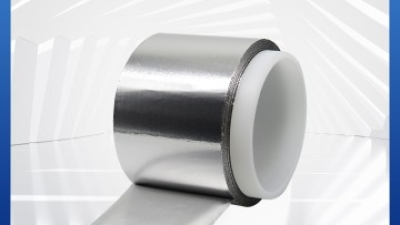
When it comes to electrical projects, picking the right materials really makes a difference — not just for safety, but also for efficiency. One cool solution that’s been gaining popularity lately is Thin Insulation Tape. It’s not just about insulating well; it also boosts the overall performance of your electrical setups by providing a solid barrier against moisture, heat, and electrical interference. As things get more complicated, having high-quality materials like this tape from trusted manufacturers becomes more and more important.
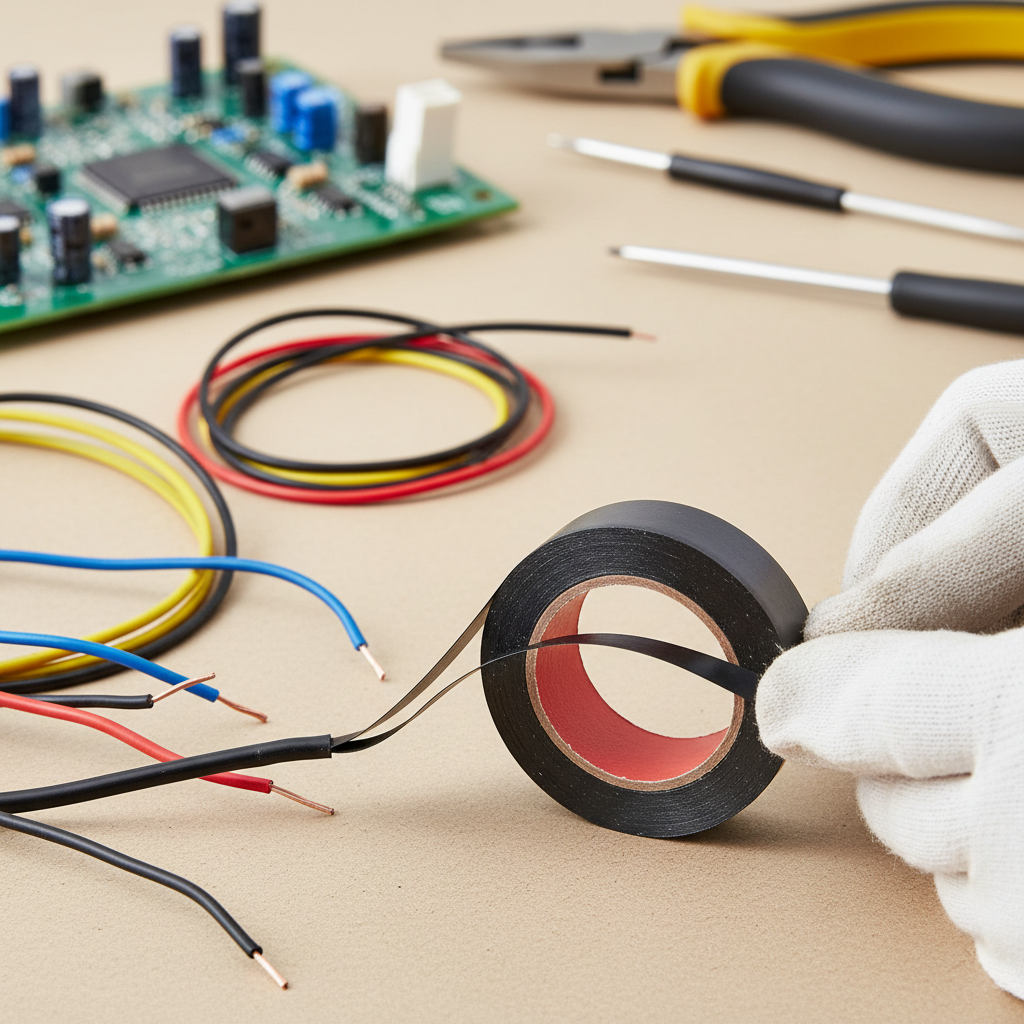
At Dongguan New Youwei Adhesive Products Co., Ltd., we're constantly pushing the boundaries with advanced adhesive tech — especially when it comes to things like Thin Insulation Tape. We’re passionate about innovation, which means we deliver products that meet the strict standards of big names like Foxconn, Samsung, BYD, TCL, LG, and Jabil Electronics. So, if you choose our Thin Insulation Tape for your electrical projects, you're not just getting a top-notch product, but also supporting a company that truly cares about quality and cutting-edge technology.
Advantages of Thin Insulation Tape for Enhanced Electrical Safety and Compliance
Thin insulation tape plays a crucial role in enhancing electrical safety and compliance across various projects. One of its primary advantages lies in its ability to provide superior insulation without adding significant bulk. This feature is especially beneficial in tight spaces where larger tapes may not fit comfortably, ensuring that wires and connections are properly insulated without compromising the overall integrity of the electrical system. By minimizing the potential for short circuits and electrical leaks, thin insulation tape significantly contributes to safer working environments.
In addition to safety, using thin insulation tape helps meet regulatory compliance standards. Many electrical codes require proper insulation to prevent accidents and promote safe practices. Thin insulation tape, often made from high-quality materials, ensures that installations not only comply with local regulations but also withstand environmental stresses such as heat and moisture. Its flexibility and durability make it a preferred choice for electricians aiming to deliver reliable and compliant electrical solutions that stand the test of time.
Improved Thermal Management: How Thin Insulation Tape Increases Efficiency
Thin insulation tape plays a crucial role in enhancing the thermal management of electrical projects. By providing a lightweight layer of insulation, it minimizes heat transfer between components, which is essential for maintaining optimal operating temperatures. This is particularly important in high-performance applications, where even slight temperature variations can lead to efficiency losses. The tape's thin profile allows for easy application in tight spaces, ensuring that all critical areas are properly insulated without adding bulk that could interfere with the overall design.
Moreover, the use of thin insulation tape promotes energy efficiency by reducing power loss. As electrical components heat up, they require more power to maintain functionality, leading to increased energy consumption. Thin insulation tape mitigates this issue by trapping heat within specific areas, allowing devices to operate at peak efficiency for longer periods. This not only contributes to lower energy bills but also extends the lifespan of electrical components, ultimately leading to more sustainable projects. By optimizing thermal management, thin insulation tape proves to be an indispensable tool for engineers and technicians seeking to enhance the performance of their electrical systems.
Cost-Effectiveness of Thin Insulation Tape Compared to Traditional Solutions
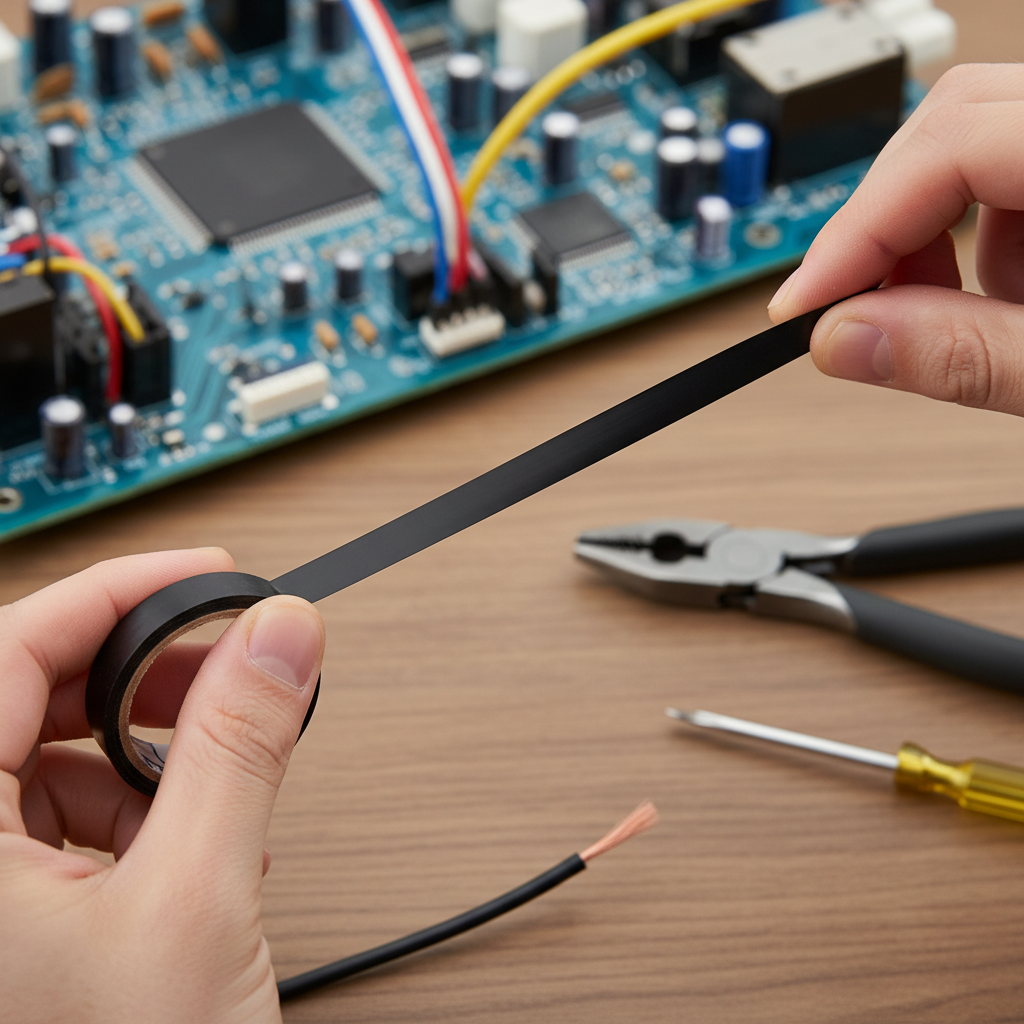 Thin insulation tape has emerged as a cost-effective solution for electrical projects, especially when compared to traditional insulation methods. One of the primary advantages of utilizing thin insulation tape is its affordability. Unlike bulkier options such as heat-shrink tubing or rigid plastic enclosures, thin insulation tape offers a budget-friendly alternative that does not compromise on performance. This can significantly reduce overall project costs, making it an attractive choice for both DIY enthusiasts and professionals alike.
Additionally, the ease of application and versatility of thin insulation tape further enhance its cost-effectiveness. Unlike conventional solutions that often require special tools or complex procedures for installation, thin insulation tape can be easily handled and applied by anyone. This means savings not just on materials, but also on labor costs, as projects can be completed more quickly and efficiently. Furthermore, its lightweight nature translates to lower shipping costs and easier storage, maximizing the financial benefits of using thin insulation tape in electrical projects.
Lightweight and Flexible Design: Benefits for Complex Electrical Projects
Thin insulation tape offers a lightweight and flexible design that is particularly beneficial for complex electrical projects. Its adaptability allows it to be easily maneuvered around intricate wiring and tight spaces, providing superior coverage without adding significant bulk. This characteristic is crucial in North American markets, where the electrical conduit industry is projected to reach a value of $17.4 billion in 2024, growing to $22.4 billion by 2032. As projects become more complex, the demand for materials that simplify installation while ensuring safety will continue to rise.
At Dongguan New Youwei Adhesive Products Co., Ltd., we prioritize innovation in our adhesive solutions, including thin insulation tape. By integrating advanced optical protective film technology, we deliver products that meet the needs of renowned companies in the electronics sector. Our commitment to quality and flexibility ensures that electrical engineers and contractors have access to materials that enhance their project efficiency and reliability, particularly in the rapidly expanding electrical conduit marketplace.
Top 10 Benefits of Using Thin Insulation Tape for Electrical Projects
| Benefit | Description | Application |
| Lightweight | Reduces the overall weight on circuit boards and wiring. | Ideal for small appliances and gadgets. |
| Flexible Design | Easily conforms to irregular surfaces and shapes. | Useful for complex wiring scenarios. |
| Temperature Resistance | Able to withstand high temperatures without degrading. | Perfect for high-heat applications. |
| Electrical Insulation | Provides effective insulation to prevent short circuits. | Commonly used in various electronic devices. |
| Moisture Resistance | Protects electrical connections from moisture damage. | Suitable for outdoor and humid conditions. |
| Ease of Use | Simple to cut and apply, speeding up installation. | Enhances productivity in electrical projects. |
| Cost Effective | Affordable solution for insulation needs. | Beneficial for budget-conscious projects. |
| Versatility | Applicable in various electrical and electronic contexts. | Useful in automotive, marine, and consumer electronics. |
| Aesthetics | Available in various colors to enhance visual appeal. | Ideal for visible wiring in modern designs. |
| Low Outgassing | Minimal release of gases during operation. | Essential for sensitive electronic environments. |
Durability and Longevity: Industry Data on Thin Insulation Tape Performance
When it comes to electrical projects, durability and longevity are paramount considerations. Thin insulation tape, a favored choice among electricians, exhibits remarkable performance backed by industry data. According to a report by the Electrical Insulation Institute, thin insulation tape can maintain its effectiveness for over 15 years under typical operating conditions, significantly outpacing traditional insulation materials. This longevity not only minimizes the need for frequent replacements but also reduces labor costs associated with repairs and upgrades.
Moreover, the resilience of thin insulation tape against environmental factors further enhances its appeal. A study published in the Journal of Electrical Engineering showed that these tapes are highly resistant to moisture, chemicals, and UV radiation, making them ideal for both indoor and outdoor applications. The reports indicated that tapes tested in extreme conditions retained 95% of their insulating properties even after being exposed to harsh weather elements for extended periods. This reliability translates into safer and more efficient electrical systems, which are critical in both residential and commercial settings.
Top 10 Benefits of Using Thin Insulation Tape for Electrical Projects
Versatility of Thin Insulation Tape Across Various Electrical Applications
Thin insulation tape offers remarkable versatility across various electrical applications, making it an essential tool for professionals and DIY enthusiasts alike. Its lightweight and flexible nature allows it to be used in tight spaces where traditional insulation materials might not fit. This adaptability makes thin insulation tape ideal for wrapping wires, securing connections, and providing an extra layer of protection against environmental factors like moisture and dust.
Additionally, its range of colors and types enhances its usability across different projects. Electricians can color-code wires for easy identification, which helps simplify maintenance and troubleshooting tasks. Furthermore, thin insulation tape is compatible with various materials such as plastic, rubber, and metal, making it suitable for an array of electrical tasks—from automotive wiring to home electrical repairs. This multifunctionality not only saves time but also ensures that projects maintain a high level of safety and efficiency.
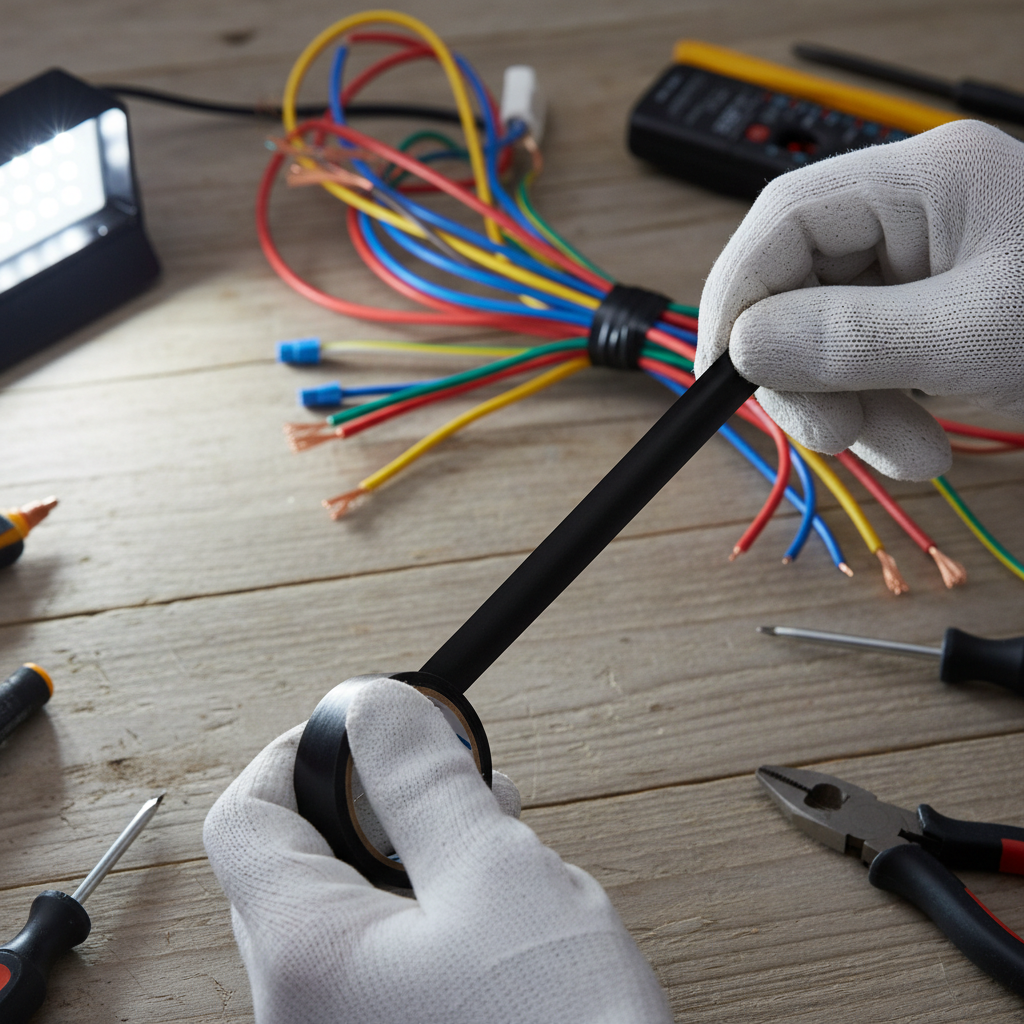
Exploring the Impact of Non-Conductive Adhesive Aluminum Tape on EMI Shielding: Insights from the 2023 EMI Solutions Market Report
The recent 2023 EMI Solutions Market Report highlights the critical role of materials like non-conductive adhesive aluminum tape in enhancing electromagnetic interference (EMI) shielding performance. This innovative tape not only ensures effective EMI shielding but also reflects heat and light, which can significantly improve the energy efficiency of electronic devices. Its outstanding thermal and light reflection properties contribute to keeping components cool while minimizing thermal energy absorption. With the increasing demand for reliable EMI solutions in industries such as automotive and aerospace, this breakthrough material is poised to become a staple in design and manufacturing.
Moreover, the tape's strong adhesion is powered by a premium acrylic adhesive, providing superior bonding strength on various surfaces. This feature is especially essential in environments subject to vibrations or thermal cycling, where traditional adhesives may fail. According to the report, the increasing focus on durable and high-performance materials is driving market growth, with a compound annual growth rate (CAGR) projected to exceed 5% over the next five years. Additionally, the tape’s low moisture vapor transmission rate enhances its durability, making it suitable for both indoor and outdoor applications, and protecting aluminum surfaces from moisture and environmental damage.
In conclusion, the multi-purpose protection offered by non-conductive adhesive aluminum tape makes it an ideal choice for safeguarding sensitive electronic components. As industries strive to meet higher standards for EMI shielding and thermal management, the integration of such high-performance materials will be crucial to ensuring device longevity and efficiency. The insights from the 2023 EMI Solutions Market Report emphasize the growing importance of this product category in achieving advanced performance metrics in electronics manufacturing.
FAQS
: The primary function of thin insulation tape is to enhance thermal management by minimizing heat transfer between components, which helps maintain optimal operating temperatures.
Thin insulation tape reduces power loss by trapping heat within specific areas, allowing electrical devices to operate at peak efficiency and lowering energy consumption.
Thin insulation tape is more affordable than bulkier options like heat-shrink tubing, and it simplifies installation, reducing both material and labor costs.
Thin insulation tape can be used for wrapping wires, securing connections, and providing protection against moisture and dust across various electrical applications.
Yes, thin insulation tape can be easily handled and applied by anyone without the need for special tools, making it accessible for both professionals and DIY enthusiasts.
The lightweight nature of thin insulation tape results in lower shipping costs and easier storage, maximizing financial benefits in electrical projects.
Its thin profile and flexibility allow it to be applied in tight spaces where traditional insulation materials may not fit, ensuring thorough insulation in limited areas.
By providing insulation and protection against environmental factors and allowing for color-coded wiring, thin insulation tape helps simplify maintenance and reduces the risk of errors.
Yes, thin insulation tape is compatible with different materials like plastic, rubber, and metal, making it versatile for a wide range of electrical tasks.
Conclusion
Thin Insulation Tape offers numerous advantages for electrical projects, primarily enhancing safety and compliance while improving thermal management. Its ability to maintain efficiency through effective insulation makes it a preferred choice over traditional solutions. The lightweight and flexible design of Thin Insulation Tape allows for easier application in complex electrical setups, contributing to a more streamlined project workflow.
Moreover, the durability and longevity of Thin Insulation Tape are supported by industry data, ensuring reliable performance over extended periods. Its versatility across various electrical applications further establishes it as an essential product for manufacturers. Companies like Dongguan New Youwei Adhesive Products Co., Ltd. are leading the way in this technology, supplying innovative solutions to industry leaders such as Foxconn and Samsung, thereby reinforcing the critical role of Thin Insulation Tape in contemporary electrical projects.